Pursuing Excellence in Leadership & Life

Exploring arete (excellence) and eudaimonia (flourishing), ancient Greek wisdom for modern leadership, technology innovation, and intentional personal development.

Building Excellence Through Experience

30+ years as a serial entrepreneur, technology leader, and community builder

5+
Companies Founded
Serial entrepreneur building innovative products
100+
Teams Led
High-performing engineering and product teams
30+
Years Experience
Technology leadership and angel investing

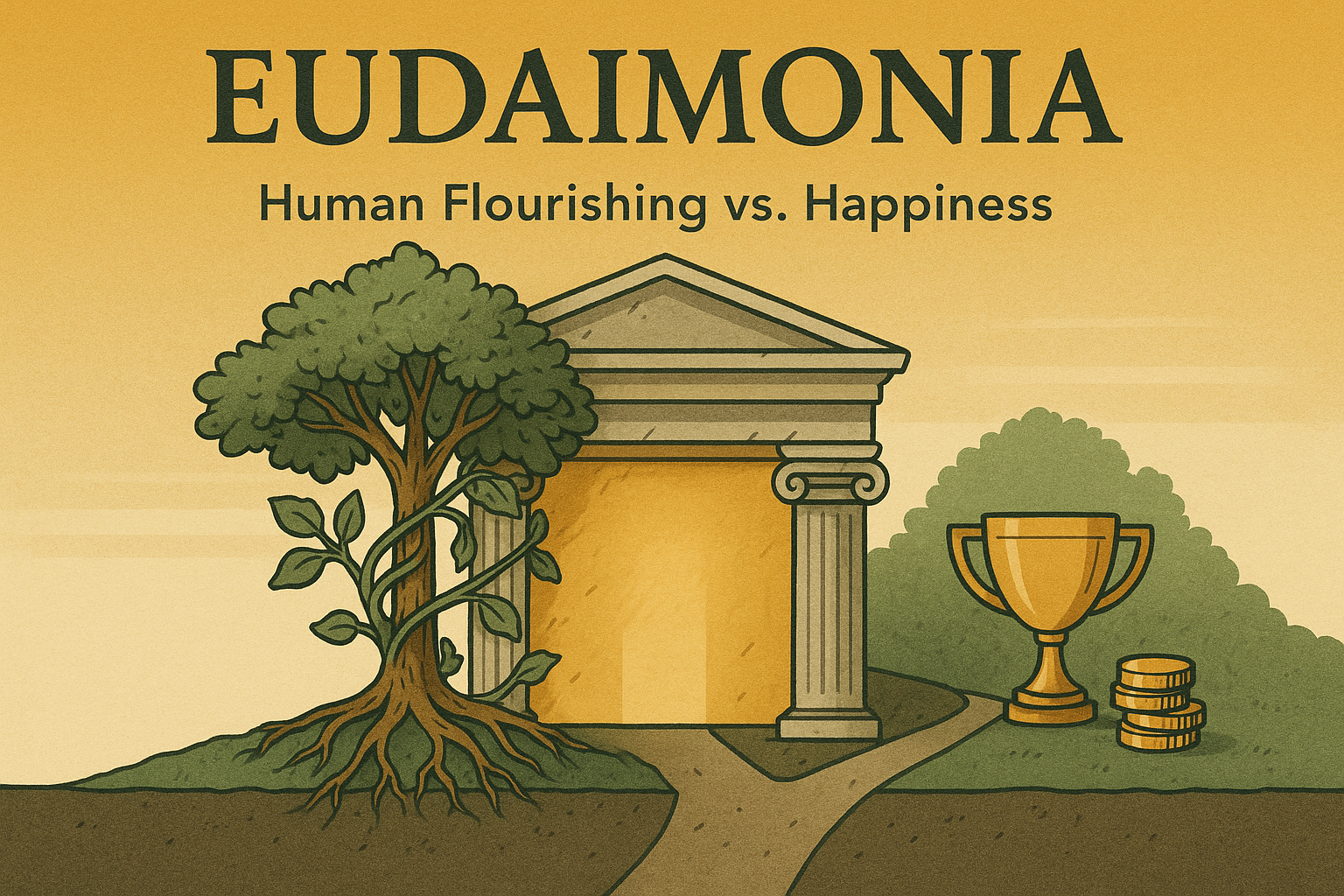
The Philosophy of Arete & Eudaimonia

Arete (ἀρετή) represents excellence, not perfection, but the continuous pursuit of being your best self. Eudaimonia (εὐδαιμονία) is the flourishing life that results from this pursuit. Together, they form a philosophy of intentional growth, authentic leadership, and meaningful contribution.

Arete: Excellence as Practice

Excellence comes from consistent effort, learning from failure, and continuous improvement. It's about becoming who you're capable of being, not achieving perfection.

Eudaimonia: The Flourishing Life

True fulfillment comes not from pleasure or success, but from living according to your highest values and contributing meaningfully to something greater than yourself.

Featured Insights

Practical wisdom for leaders, entrepreneurs, and anyone pursuing excellence

The Philosopher King: Ancient Wisdom for Modern Leadership Integration

The Philosopher King: Ancient Wisdom for Modern Leadership Integration

Plato's most radical leadership idea wasn't about power or position, it was about character. The philosopher king represents the ultimate integration of wisdom, excellence, courage, and transformation. Here's how to stop managing systems and start transforming people.
Leadership Growth
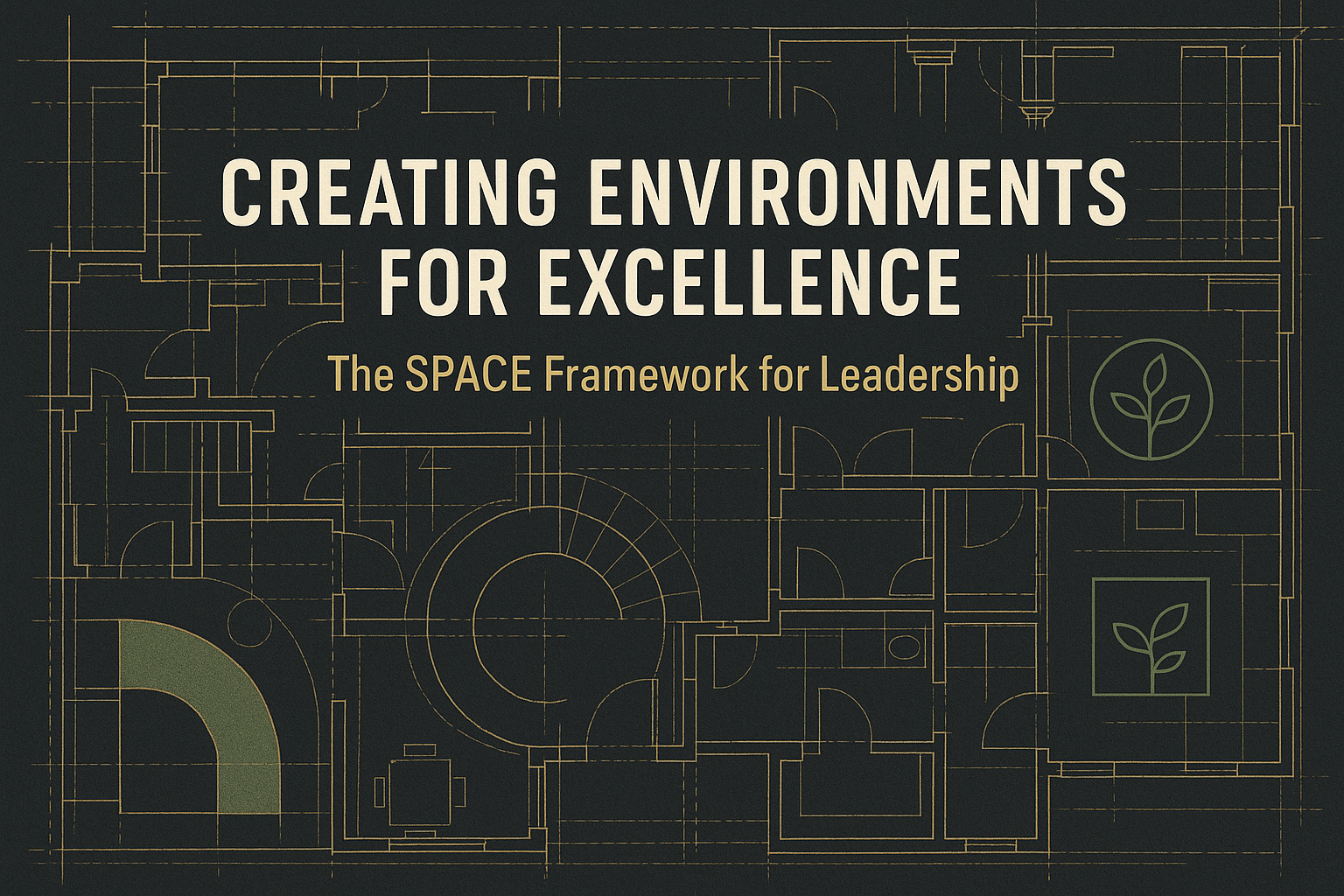
Creating Environments for Excellence: The SPACE Model

Creating Environments for Excellence: The SPACE Model

Excellence isn't just about individual character, it's about creating environments where excellence becomes natural, inevitable, and sustainable for everyone. Here's how leaders architect the conditions for human flourishing.

Leadership Excellence
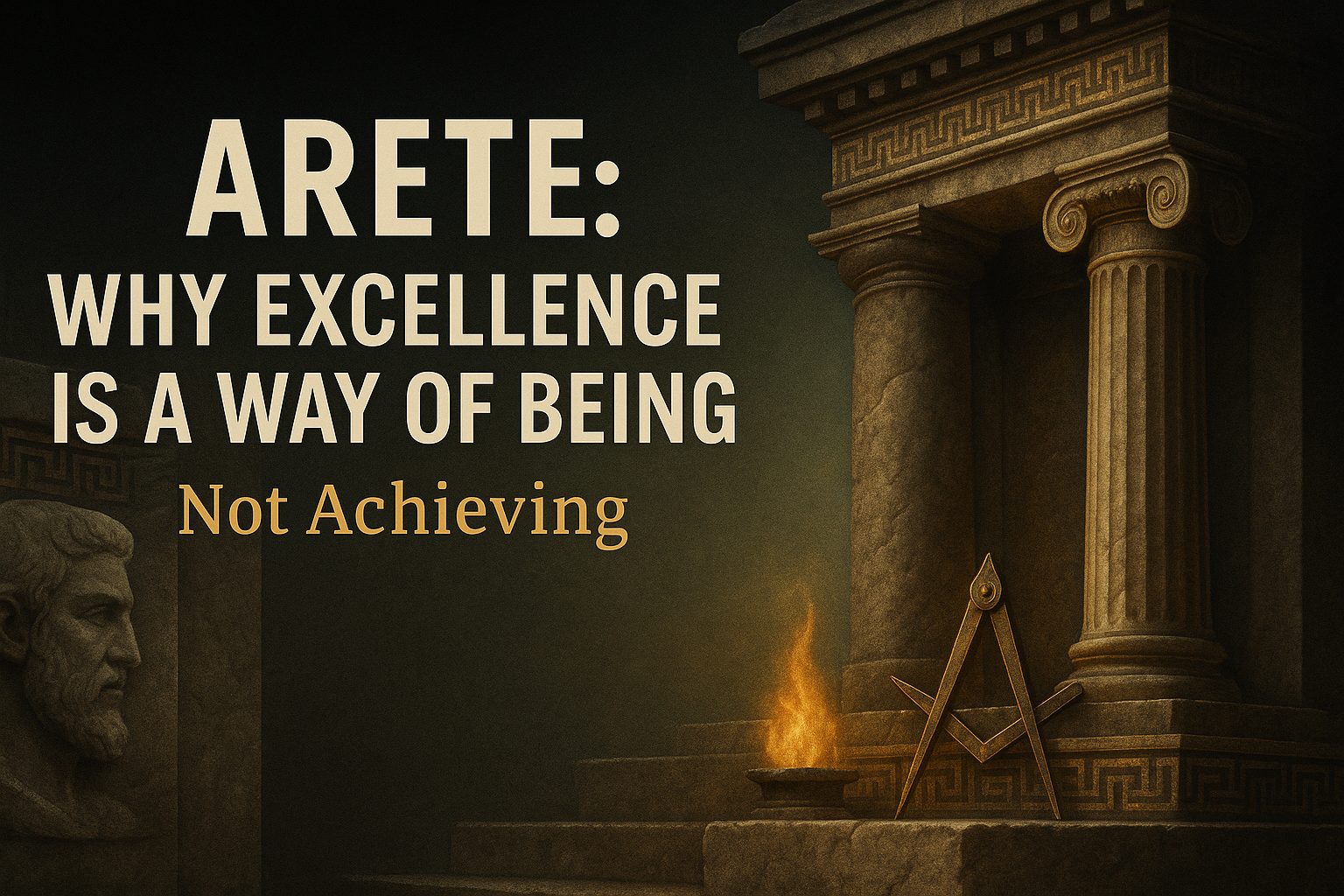
Arete: Why Excellence is a Way of Being, Not Achieving

Arete: Why Excellence is a Way of Being, Not Achieving

The Greeks understood something we've forgotten: excellence isn't something you achieve, it's something you become. This fundamental shift changes everything about how you approach work, leadership, and life.

Philosophy Leadership

Tools for Excellence

Practical resources to help you pursue arete in your leadership and life

MasteryLab

Transform who you are, not just what you achieve. Systematic development of the four dimensions of arete through AI-enhanced reflection, peer accountability, and philosophical practice.

Begin Your Journey

Excellence Community

Join our Discord community for daily arete audits, peer accountability, and weekly challenges. Practice excellence together.

Join Community

Leadership Consulting

Work directly with me to build excellent teams, develop leadership capabilities, and create high-performing organizations.

Get in Touch

Join the Excellence Journey

Get weekly insights on leadership, personal development, and the pursuit of arete. No spam, just practical wisdom for your journey toward excellence.

Join 1,000+ leaders pursuing excellence

Latest Thoughts

Recent insights on leadership, technology, and personal growth

Excellence Transformation

Why Some People Hold Under Pressure and Others Snap

Two people take the same hit. One holds. One snaps. The usual story says the first one had more willpower, as if character were fuel in a tank you spend down until you run dry. That model cannot explain why the same person holds one month and folds the next, or why the toughest-looking people break first. The Stoics ran a better model. They thought character was held together by tension, the way a structure is, and they had a precise word for that tension: tonos. Strong distributed tension holds under load. Slackness collapses. Rigidity snaps. You do not rise to pressure. You fall to the tension you keep when nothing is testing you.

Why Some People Hold Under Pressure and Others Snap
Excellence Leadership

Social Intelligence Doesn't Mean Knowing What They Want to Hear. It Means Refusing to Say It.

Law 24 tells you to become the perfect courtier: master indirection, flatter without obvious flattery, never deliver uncomfortable truths directly. The Greeks had a word for that kind of social facility. They called it kolakeia. They condemned it. Not because flattery fails tactically, but because it corrupts both the giver and the receiver. The alternative is charis: social grace rooted in genuine goodwill, deployed with the courage to say what needs to be said.

Social Intelligence Doesn't Mean Knowing What They Want to Hear. It Means Refusing to Say It.
Excellence Transformation

The Story You Tell About Pain Decides How Much It Hurts

Two soldiers and two civilians take the same wound. The soldiers ask for less morphine. The injury is identical, so the difference is not in the tissue. It is in the meaning. Cicero spent a book on this, the Stoics built a whole practice around it, and modern pain science has now mapped the lever they were pulling. Pain has two parts: the signal the body sends and the story your mind wraps around it. The signal is mostly fixed. The story is not, and the story does most of the damage.

The Story You Tell About Pain Decides How Much It Hurts
Excellence Mastery

The Best People in Any Room Aren't Smarter. They See More.

Sit beside a top performer for a week and the myth dies fast. They are not smarter, not faster, not better credentialed. They notice what everyone else walks past. The Stoics named the practice prosoche, sustained deliberate attention. The Greeks distinguished aisthesis (sense-perception) from theoria (patient contemplative seeing) because the territory was that important. Modern life trains the opposite: scan, scroll, miss. The rare few who deliberately train their eyes catch the early signal, draw gratitude from what is already in front of them, and exert quiet influence in rooms where everyone else is performing. This is a ninety-day curriculum.

The Best People in Any Room Aren't Smarter. They See More.
Transformation Excellence

You're Not a Blank Slate. You're a Block of Marble.

The self-development industry treats you as a blank slate waiting for a better blueprint, so you keep importing other people's designs and calling it growth. The Greeks worked from the opposite premise. Pindar told his readers to become who they are, having learned it. The Stoics built a whole theory, oikeiosis, around development as progressive alignment with your own nature. Michelangelo said the figure already lives in the marble. The question isn't who you should become. It's who is already in the stone, and what has to come off.

You're Not a Blank Slate. You're a Block of Marble.